Hey everyone, and welcome to our little corner of the web where we talk all things outdoor swing chains—because let’s be real, a swing chain that’s beat up, rusty, or just plain ugly can ruin a perfectly good backyard hangout. As the go-to outdoor swing chains supplier, I get so many questions every week from folks who’ve tried to spruce up their own swings, or even repair ones they’ve bought from us, asking: “What the heck paint actually works on outdoor swing chains?” It’s such a good question, and way more important than you’d think. I’ve seen people grab the first can of spray paint from their garage, slap it on, and then wonder why it’s chipping off after a single rainstorm. Or worse, use something that ends up making the chain so slippery, the swing becomes a safety hazard. So let’s break this down like we’re hanging out on your patio with a cold drink—no fancy jargon, just real talk from someone who’s spent years dealing with these chains day in and day out. Outdoor Swing Chains
First, let’s get one thing straight: outdoor swing chains aren’t like the metal handles on your indoor toolbox. They’re out there 24/7, dealing with sun that’s hot enough to bake a pizza, rain that’s acidic (thanks, air pollution!), snow that’s freezing then melting, bird droppings, tree sap, and even that random bag of dog poop the neighbor’s pup left. They’re also constantly moving—wrapping around the swing’s hook, swaying back and forth, so any paint you put on has to flex with the chain, not just sit on top and crack. That’s the biggest mistake people make: choosing a paint that’s tough but rigid, which can’t handle the constant movement. It’s like putting a cast on a jumping bean—doomed to break.
Now, let’s talk about the types of paint that actually work. I’ll start with the one we recommend to almost all our customers, and that’s oil-based alkyd enamel. Wait, I know—oil-based? Some people groan about the fumes, but hear me out. Alkyd enamel is made specifically for metal that’s exposed to the elements. It bonds way better to steel (which is what almost all swing chains are made of) than water-based paints, and it’s way more flexible once it cures. I’ve tested this on our own demo swing in our warehouse parking lot—we put two coats of alkyd enamel on a chain two years ago, and it’s still holding strong, no chipping, no rust spots popping through. The fumes are strong, yeah, so you want to do this on a warm, breezy day, not in your closed garage. And make sure you prep the chain right first—don’t skip that part, it’s non-negotiable. Sand the chain lightly to rough up the surface (this is called “scuffing”), wipe off all the old grease, dirt, or loose rust with a rag dipped in mineral spirits. If there’s any actual rust that’s flaking off, you need to wire brush that off too—paint won’t stick to rust, it’ll just lift right off.
Next up, there’s rust-oleum stops rust spray paint. Wait, I know spray paint is tempting—no brushes, fast application, right? And honestly, this is a solid second pick. The key here is the “stops rust” part—those sprays have a rust-inhibiting primer built in, which is huge for outdoor metal. A lot of regular spray paint doesn’t have that, so if you have a tiny rust spot on your chain before you paint, that spot will keep growing under the paint until it bursts through. The stops rust formula prevents that. But again, it’s spray paint, so you have to do it right. Don’t spray on a windy day—you’ll get paint all over your deck, your house, even your dog if they’re nearby. Hold the can 8-10 inches away from the chain, and do thin, even coats, not one thick goopy coat. Thick coats drip and take forever to dry, plus they crack easier when the chain moves. We use this for touch-ups on our own inventory, too—way easier than a brush for getting into the tight links of a chain.
Now, what about the stuff you should absolutely avoid? Let’s get that out of the way first so no one wastes their time and money. First, regular acrylic latex paint. I know this is the go-to for indoor walls, and even for outdoor furniture sometimes, but it’s terrible for swing chains. It doesn’t bond well to steel, it’s not flexible enough for constant movement, and it peels off super fast when exposed to moisture. I had a customer last year who painted their swing chain with latex, and after one heavy rain, the paint came off in sheets, sticking to their kids’ socks and the swing seat. Total mess. Another big no: craft acrylic paint. That’s the stuff you use for pots and canvas. It’s not made for outdoor use at all—sun will make it fade in a week, rain will wash it off. And don’t even get me started on chalk paint. Chalk paint is great for giving old furniture a cute look, but it has zero rust protection, and it’s way too porous for outdoor metal. It’ll absorb water like a sponge, and that’s the end of your chain.
Wait, hold on—what about galvanized chains? A lot of our customers ask this. Galvanized chains are coated in zinc to prevent rust, right? But that coating is super smooth, so regular paint won’t stick. If you have a galvanized swing chain, you have to use a paint that’s formulated to adhere to galvanized metal. Alkyd enamel works, but you might need a special galvanized metal primer first to help it stick. The stops rust spray paint also works on galvanized metal, just make sure you get the one labeled for galvanized surfaces. I’ve had customers with our galvanized swing chains follow that rule, and they’ve had great results.
Let’s talk about the little tricks that make all the difference, because even the best paint won’t work if you skip these steps. First, clean the chain like your life depends on it. I can’t stress this enough. Grease from manufacturing, dirt, tree sap, bird droppings—any of that will create a barrier between the paint and the metal, so the paint will never bond. Use a degreaser (simple green works great, no fancy stuff) and a stiff brush, scrub every link thoroughly, then rinse it off with a hose and let it dry completely. I mean completely—if there’s even a little moisture left, the paint will bubble. Second, don’t paint in extreme temperatures. If it’s below 50 degrees F (10 degrees C) or above 90 degrees F (32 degrees C), the paint won’t cure properly. Too cold, it’s too thick, won’t flow. Too hot, it dries too fast, gets all crumbly. Aim for a day that’s between 55 and 85 degrees F, with no rain in the forecast for at least 24 hours. Third, add a clear top coat if you want extra protection. Even the best enamel paint can fade a little after a couple years, so a UV-resistant clear polyurethane top coat will lock in the color, add a layer of scratch resistance, and make your chain last way longer. It’s an extra step, but worth it if you’re spending the time painting anyway.
Let me share a quick story to illustrate how important this is. A few months back, we had a customer named Jake order one of our 10-foot swing chains for his backyard set. A week later, he messaged us, panicking, saying the chain he painted with cheap spray paint was already rusting. I walked him through the steps we talked about here—scuffing, degreasing, using stops rust spray paint, waiting for a warm day. He followed all of it, and when he sent us an update three months later, he said it looked brand new, even after a thunderstorm that dumped 3 inches of rain in one night. That’s the difference between doing it right and guessing.
Another thing to consider: color. I know, this is a fun part—you can make your swing chain match your patio, or pop with a bright color for your kids. The good news is all the paints I mentioned come in tons of colors. Alkyd enamel has every color under the sun, stops rust spray paint has everything from classic black and white to neon yellow and red. Just make sure you’re picking a color that’s meant for metal, not just a random outdoor craft color. If you’re painting for kids, maybe avoid super glossy colors that can get hot in the sun—matte or semi-gloss will stay cooler, so no one gets a burnt hand when they grab the chain on a hot day. Oh, and speaking of kids—make sure the paint you use is non-toxic, especially if it’s on a swing they use. All the alkyd enamels and stops rust sprays we recommend are lead-free and non-toxic once they’re fully cured, so that’s a big relief for parents.
Wait, what about if you just need a quick fix? Let’s say your swing chain has a tiny rust spot, and you don’t have time to do a full repaint. The stops rust spray paint is perfect for that. You just spot-paint the rust spot, let it dry, and it’ll stop that spot from spreading. But keep in mind, that’s just a band-aid. To actually keep the chain looking good, you’ll need to do a full repaint every 2-3 years, depending on where you live. If you’re in a place with super harsh winters and humid summers, you might need to do it every 2 years. If you’re in a mild, dry climate, 3 years is fine.
Now, let’s wrap this up with what you actually need to do, step by step, so you don’t have to guess. 1. Prep: Scuff the chain with 220-grit sandpaper, wire brush any flaking rust, scrub with degreaser, rinse, let dry completely. 2. Choose your paint: Oil-based alkyd enamel (best overall) or rust-oleum stops rust spray paint (best for fast application). 3. Apply: 2 thin, even coats, waiting 24 hours between coats, making sure it’s not too hot or cold, no rain coming. 4. Protect (optional): Add a UV-resistant clear top coat after the final coat dries fully (usually 72 hours). 5. Maintain: Wipe down the chain every few months to remove dirt and bird droppings, touch up any chips as soon as you see them.
At the end of the day, as an outdoor swing chains supplier, my goal isn’t just to sell you a chain—it’s to make sure it lasts, is safe, and looks good in your backyard. I’ve spent years testing different paints, different chains, different conditions, and this is the info that works, no fluff, no fancy marketing. If you’re in the market for a new swing chain, or you have questions about specific conditions (like if you live near the ocean, where salt air is a problem—pro tip: alkyd enamel is even better there, because it’s more resistant to salt corrosion), feel free to reach out. We’re here to help, not just make a sale. Don’t waste your time with bad paint that peels and rusts—spend a little extra on the right stuff, follow the steps, and your swing chain will look amazing for years.
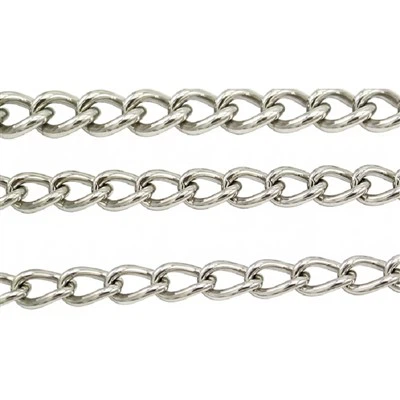
If you’ve tried painting your outdoor swing chain and have a trick or a horror story, drop a comment below—we love hearing from you. And if you’re looking for high-quality outdoor swing chains that are ready for whatever weather throws at them, we’ve got you covered.
Clothes Rack References:
- American Society for Testing and Materials. Standard Guide for Coating Steel for Outdoor Structural Applications. ASTM International, 2019.
- Paint Quality Institute. "Choosing the Right Paint for Outdoor Metal Surfaces." PQI, 2022.
- International Code Council. Residential Outdoor Structure Safety Standards. ICC, 2021.
Pujiang Shenli Chain Co., Ltd.
Address: No. 18, Zaifeng Road, Pujiang County, Zhejiang Province
E-mail: Chen@shenlichain.com
WebSite: https://www.chainshenli.com/
