Elevator modernization is a significant undertaking in the realm of building management, especially when it comes to elevator traffic management within a building. As an established provider in the elevator modernization industry, I’ve witnessed firsthand the transformative effects of updating elevator systems on how people move efficiently through buildings. Elevator Modernization
Understanding Elevator Traffic Management
Before delving into how elevator modernization impacts traffic management, it’s crucial to understand what elevator traffic management entails. Elevator traffic management is the science and art of optimizing the movement of people within a building using elevators. This involves predicting passenger demand, scheduling elevator operations, and ensuring that the system can handle peak loads without causing excessive wait times or overcrowding.
In a typical building, elevator traffic patterns vary throughout the day. During peak hours, such as the start and end of the workday, there is a high demand for elevator service as people enter or leave the building. Off-peak hours, on the other hand, see a more dispersed and lower volume of traffic. An effective elevator traffic management system must adapt to these changing patterns to provide efficient service.
The Challenges of Outdated Elevator Systems
Many older buildings rely on elevator systems that were installed decades ago. These outdated systems often struggle to keep up with the demands of modern building usage. Here are some of the key challenges associated with old elevator systems:
-
Inefficient Scheduling: Older elevator control systems may use simple algorithms that do not optimize elevator routes effectively. For example, they may not have the ability to group passengers based on their destinations, leading to unnecessary stops and longer travel times.
-
Limited Capacity: Over time, the mechanical components of an elevator can wear out, reducing its capacity and speed. This can result in longer wait times as more elevator trips are required to transport the same number of passengers.
-
Lack of Flexibility: Old systems may not be able to adapt to changes in building usage, such as new tenants or changes in floor layouts. This can lead to inefficiencies and increased congestion.
-
Safety Concerns: Outdated elevators may not meet current safety standards, posing a risk to passengers. This can also lead to increased maintenance costs and downtime.
How Elevator Modernization Addresses These Challenges
Elevator modernization offers a comprehensive solution to the challenges posed by outdated elevator systems. By upgrading the mechanical, electrical, and control components of an elevator, we can significantly improve its performance, efficiency, and safety. Here are some of the ways elevator modernization affects elevator traffic management:
1. Advanced Control Systems
One of the most significant benefits of elevator modernization is the installation of advanced control systems. These systems use sophisticated algorithms to analyze passenger traffic patterns in real-time and optimize elevator routes accordingly. For example, they can group passengers based on their destinations, reducing the number of stops and improving travel times.
Advanced control systems also have the ability to predict peak traffic periods and adjust elevator operations accordingly. This can help to ensure that there are enough elevators available during high-demand periods, reducing wait times and congestion.
2. Improved Capacity and Speed
Modern elevator systems are designed to be more efficient and capable than their older counterparts. By upgrading the mechanical components of an elevator, such as the motors, cables, and brakes, we can increase its capacity and speed. This means that more passengers can be transported in less time, reducing wait times and improving overall traffic flow.
In addition, modern elevator systems often feature regenerative drives, which can recover energy during the braking process and use it to power the elevator during the next ascent. This not only reduces energy consumption but also helps to improve the elevator’s performance and reliability.
3. Enhanced Flexibility
Elevator modernization also allows for greater flexibility in elevator operations. New control systems can be easily programmed to adapt to changes in building usage, such as new tenants or changes in floor layouts. This means that the elevator system can continue to provide efficient service even as the building’s needs evolve over time.
In addition, modern elevator systems often feature advanced communication technologies, such as touchscreen displays and mobile apps, which allow passengers to interact with the elevator system in new and convenient ways. For example, passengers can use their smartphones to call an elevator, select their destination, and receive real-time updates on elevator status.
4. Improved Safety
Safety is always a top priority in elevator design and operation. Elevator modernization can significantly improve the safety of an elevator system by upgrading its safety features, such as the emergency brakes, door sensors, and fire protection systems.
In addition, modern elevator systems often feature advanced monitoring and diagnostic technologies, which can detect potential problems before they become serious. This allows for proactive maintenance and repairs, reducing the risk of elevator failures and ensuring the safety of passengers.
Case Studies: Real-World Examples of the Impact of Elevator Modernization
To illustrate the real-world impact of elevator modernization on elevator traffic management, let’s look at a few case studies.
Case Study 1: A High-Rise Office Building
A high-rise office building in a major city was experiencing significant congestion and long wait times in its elevators during peak hours. The building management decided to modernize the elevator system to improve traffic flow and tenant satisfaction.
The modernization project included the installation of advanced control systems, which used real-time traffic data to optimize elevator routes. In addition, the mechanical components of the elevators were upgraded to increase their capacity and speed.
After the modernization project was completed, the building saw a significant reduction in wait times and congestion. Tenant satisfaction increased, and the building was able to attract and retain high-quality tenants.
Case Study 2: A Shopping Mall
A large shopping mall was struggling to manage the high volume of foot traffic during peak shopping seasons. The existing elevator system was outdated and inefficient, leading to long wait times and frustrated customers.
The mall management decided to modernize the elevator system to improve the customer experience and increase sales. The modernization project included the installation of advanced control systems, which used destination dispatch technology to group passengers based on their destinations. In addition, the elevators were upgraded to provide faster and more comfortable rides.
After the modernization project was completed, the mall saw a significant improvement in customer satisfaction and sales. The reduced wait times and improved elevator performance made the mall a more attractive destination for shoppers.
The Business Benefits of Elevator Modernization
In addition to improving elevator traffic management, elevator modernization also offers several business benefits for building owners and managers. These benefits include:
-
Increased Property Value: A modern, efficient elevator system can increase the value of a building and make it more attractive to potential tenants and buyers.
-
Lower Operating Costs: Modern elevator systems are more energy-efficient and require less maintenance than older systems, leading to lower operating costs over time.
-
Improved Tenant Satisfaction: A reliable and efficient elevator system can improve tenant satisfaction and reduce tenant turnover.
-
Compliance with Codes and Standards: Elevator modernization can ensure that a building’s elevator system meets current codes and standards, reducing the risk of fines and legal issues.
Conclusion
Elevator modernization is a critical investment for building owners and managers who want to improve elevator traffic management, enhance the safety and comfort of their passengers, and increase the value of their property. As an elevator modernization provider, we have the expertise and experience to design and implement customized modernization solutions that meet the unique needs of each building.
If you’re interested in learning more about how elevator modernization can benefit your building, we encourage you to contact us to schedule a consultation. Our team of experts will work with you to assess your current elevator system, identify areas for improvement, and develop a modernization plan that fits your budget and requirements.
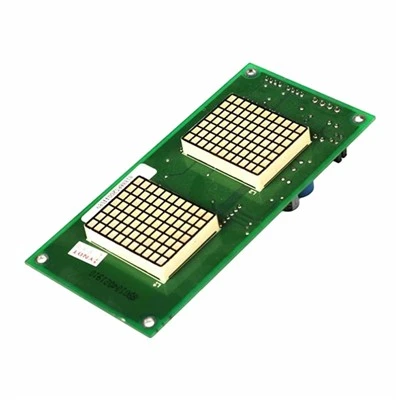
Elevator Parts for NBSL Investing in elevator modernization is a smart decision that can pay off in the long run. Don’t let outdated elevator systems hold your building back. Contact us today to take the first step towards a more efficient and reliable elevator system.
References
- Baroudi, H. M., & Hjelm, A. (2016). Impact of elevator modernization on energy efficiency in high-rise buildings. Energy and Buildings, 119, 97-106.
- Federal Emergency Management Agency. (2009). Elevators in high-rise buildings: A guide for owners, managers, and emergency responders.
- Misra, A., & Urban, R. (2017). Elevator traffic analysis, design, and control. Routledge.
Shaanxi Nona Elevator Parts Co., Ltd.
As one of the leading elevator modernization manufacturers and suppliers in China, we warmly welcome you to wholesale bulk elevator modernization in stock here from our factory. All elevator parts are with high quality and competitive price. For pricelist, contact us now.
Address: No.1502 Ronghao Building, Xi’an City, Shaanxi Province, China
E-mail: candice@nonaelevator.com
WebSite: https://www.nonaelevatorparts.com/
