Hey there! As a supplier of Commercial Energy Storage Systems (CESS), I’ve been in the thick of things when it comes to how these systems integrate with the grid. It’s a fascinating topic, and I’m stoked to share some insights with you. Commercial Energy Storage System
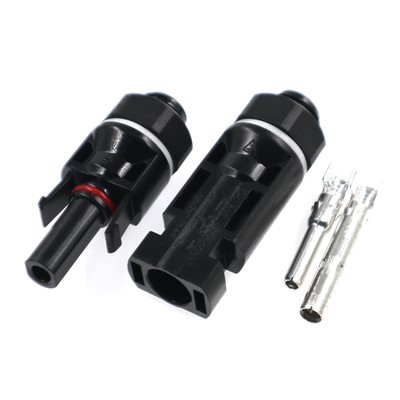
First off, let’s talk about why integrating a CESS with the grid is such a big deal. The grid is like the lifeblood of our modern society, powering everything from our homes to our businesses. But it’s not without its challenges. One of the biggest issues is the balance between supply and demand. Sometimes, there’s too much electricity being generated, like during sunny days when solar farms are pumping out power. Other times, demand spikes, like on a hot summer day when everyone’s running their air conditioners. That’s where a CESS comes in handy.
A CESS can store excess electricity when there’s a surplus on the grid and release it when demand is high. This helps to smooth out the peaks and valleys in electricity supply and demand, making the grid more stable and reliable. It’s like having a safety net for the grid.
So, how does a CESS actually integrate with the grid? Well, there are a few different ways. One common method is through a process called grid-connected operation. In this setup, the CESS is connected directly to the grid through a power converter. The power converter takes the electricity from the grid and stores it in the batteries of the CESS. When the grid needs more power, the power converter reverses the process, taking the electricity from the batteries and feeding it back into the grid.
Another way a CESS can integrate with the grid is through a process called islanded operation. In this setup, the CESS is disconnected from the grid and operates independently. This can be useful in situations where there’s a power outage or other grid disruption. The CESS can continue to provide power to a specific area or facility, like a hospital or a data center, until the grid is restored.
But integrating a CESS with the grid isn’t always smooth sailing. There are a few challenges that need to be overcome. One of the biggest challenges is the issue of power quality. The electricity stored in a CESS needs to be of the same quality as the electricity on the grid. This means that the voltage, frequency, and phase of the electricity need to be carefully regulated. If the power quality isn’t up to par, it can cause problems for the grid and the devices connected to it.
Another challenge is the issue of grid compatibility. Different grids have different requirements and standards. A CESS needs to be designed and configured to meet the specific requirements of the grid it’s being connected to. This can involve things like adjusting the power output, frequency response, and protection settings of the CESS.
Despite these challenges, the benefits of integrating a CESS with the grid far outweigh the drawbacks. In addition to improving grid stability and reliability, a CESS can also help to reduce electricity costs. By storing electricity when it’s cheap and releasing it when it’s expensive, a CESS can help businesses and utilities to save money on their electricity bills.
So, if you’re a business or utility looking to improve the efficiency and reliability of your electricity supply, a CESS might be the solution you’re looking for. As a supplier of CESS, I’ve got the expertise and experience to help you find the right system for your needs. Whether you’re looking for a small-scale system for a single facility or a large-scale system for a utility, I can provide you with the guidance and support you need to make the right decision.
If you’re interested in learning more about how a CESS can integrate with the grid and how it can benefit your business or utility, I’d love to hear from you. Just reach out to me, and we can schedule a time to talk. I’m always happy to answer any questions you might have and to help you explore your options.
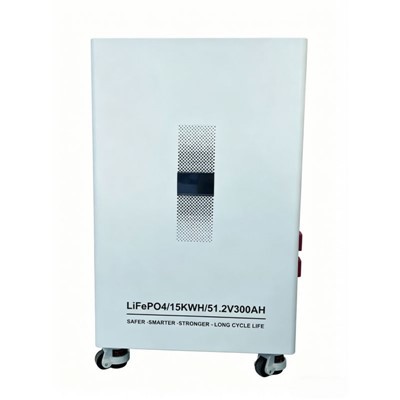
Let’s work together to make the grid more stable, reliable, and cost-effective. Contact me today to start the conversation!
Industrial Energy Storage Systems References:
- "Energy Storage for the Electric Grid: Benefits and Market Potential Assessment Guide." U.S. Department of Energy.
- "Grid-Connected Energy Storage Systems: Technical and Economic Aspects." International Renewable Energy Agency.
- "Commercial Energy Storage Systems: Trends and Technologies." Navigant Research.
Tianjin Xilingke New Energy Technology Co., Ltd.
As one of the most professional commercial energy storage system manufacturers and suppliers in China, we’re featured by quality products and low price. Please rest assured to wholesale durable commercial energy storage system made in China here from our factory. For quotation, contact us now.
Address: Suite 2601, Tower B, Wanghai International, Haihe East Road, Hebei District, Tianjin, China.
E-mail: robin@sinelinkev.com
WebSite: https://www.sinelinkenergy.com/
