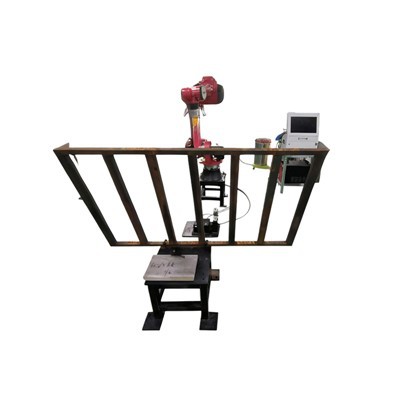
Temperature plays a crucial role in the performance and efficiency of spray painting robots. As a leading supplier of spray painting robots, I’ve witnessed firsthand how temperature can significantly impact the painting process. In this blog, I’ll explore the temperature requirements for spray painting robots, why they matter, and how to maintain optimal conditions. Spray Painting Robot
Understanding the Basics: Why Temperature Matters
Spray painting is a complex process that involves atomizing paint into tiny droplets and depositing them evenly on a surface. The temperature of the environment, the paint, and the robot itself can all affect the quality of the finish, the drying time, and the overall efficiency of the operation.
Impact on Paint Viscosity
One of the primary ways temperature affects spray painting is through its impact on paint viscosity. Viscosity refers to a fluid’s resistance to flow. As temperature increases, the viscosity of most paints decreases, making them thinner and easier to spray. Conversely, at lower temperatures, paints become thicker and more challenging to atomize evenly.
For example, if the paint is too thick due to low temperatures, it may not atomize properly, resulting in a rough or uneven finish. On the other hand, if the paint is too thin because of high temperatures, it may run or drip, causing waste and a poor-quality finish. Therefore, maintaining the right temperature is essential to ensure consistent paint viscosity and a smooth, professional finish.
Effects on Drying Time
Temperature also plays a significant role in the drying time of the paint. Generally, higher temperatures accelerate the drying process, while lower temperatures slow it down. When the paint dries too quickly, it may form a skin on the surface before the solvent has fully evaporated, leading to issues such as cracking, blistering, or poor adhesion.
Conversely, if the paint dries too slowly, it can increase the risk of dust or other contaminants settling on the wet surface, resulting in an imperfect finish. Additionally, longer drying times can reduce productivity, as the painted objects may need to remain in the painting area for an extended period before they can be handled or further processed.
Influence on Robot Performance
The temperature of the operating environment can also affect the performance of the spray painting robot itself. Most spray painting robots are designed to operate within a specific temperature range. Extreme temperatures can cause mechanical components to expand or contract, leading to misalignments, increased wear and tear, and potential breakdowns.
High temperatures can also affect the electrical components of the robot, causing overheating and reducing their lifespan. In addition, if the air temperature is too high, it can increase the risk of overspray and poor paint transfer efficiency, as the paint particles may evaporate before they reach the target surface.
Optimal Temperature Ranges for Spray Painting Robots
Based on my experience in the industry, there are generally accepted optimal temperature ranges for different aspects of the spray painting process.
Painting Environment
The ideal temperature for the painting environment typically ranges from 20°C to 25°C (68°F to 77°F). This temperature range helps to maintain consistent paint viscosity, allowing for better atomization and a more even finish. It also provides a suitable environment for the paint to dry properly, reducing the risk of defects and ensuring good adhesion.
However, it’s important to note that the optimal temperature may vary depending on the type of paint being used. Some paints, such as high-temperature-resistant coatings, may require higher application temperatures, while others, like certain water-based paints, may perform better at slightly lower temperatures.
Paint Temperature
The temperature of the paint itself is also critical. Most paint manufacturers recommend storing and using their products within a specific temperature range. Generally, the paint temperature should be maintained between 18°C and 22°C (64°F to 72°F). This helps to ensure that the paint has the right viscosity for spraying and that it dries evenly.
To achieve the desired paint temperature, it may be necessary to use temperature control systems, such as heaters or coolers, in the paint storage area and the paint supply lines. These systems can help to maintain a consistent paint temperature, regardless of the ambient temperature.
Robot Operating Temperature
Spray painting robots are designed to operate within a specific temperature range, typically between 10°C and 40°C (50°F and 104°F). Operating the robot outside of this range can cause performance issues and potentially damage the equipment.
In hot environments, it’s essential to provide adequate ventilation and cooling to prevent the robot from overheating. This may involve installing fans, air conditioners, or other cooling systems in the robot’s workspace. In cold environments, it may be necessary to use heaters to keep the robot’s components at the proper temperature.
Maintaining Optimal Temperature Conditions
Maintaining the optimal temperature conditions for spray painting robots requires careful planning and monitoring. Here are some tips to help you achieve and maintain the right temperature:
Use a Temperature-Controlled Environment
Investing in a temperature-controlled paint booth or workspace is one of the most effective ways to ensure consistent temperature conditions. A temperature-controlled environment allows you to regulate the air temperature, humidity, and ventilation, creating an ideal setting for spray painting.
Monitor and Adjust Temperature Regularly
Regularly monitor the temperature of the painting environment, the paint, and the robot using temperature sensors and gauges. This will help you identify any temperature fluctuations and take corrective action promptly. If the temperature is too high or too low, adjust the heating or cooling systems accordingly.
Insulate Paint Storage and Supply Lines
Insulating the paint storage tanks and supply lines can help to maintain a consistent paint temperature. This is especially important in environments where the ambient temperature fluctuates significantly. Insulation can help to prevent heat loss or gain, ensuring that the paint remains at the desired temperature throughout the painting process.
Train Your Staff
Proper training of your staff is essential to ensure that they understand the importance of temperature control in spray painting. Train them on how to monitor and adjust the temperature, how to use the temperature control equipment, and how to identify and troubleshoot temperature-related issues.
Conclusion
In conclusion, temperature requirements are a critical factor in the performance and efficiency of spray painting robots. By understanding the impact of temperature on paint viscosity, drying time, and robot performance, and by maintaining optimal temperature conditions, you can ensure a high-quality finish, reduce waste, and increase productivity.
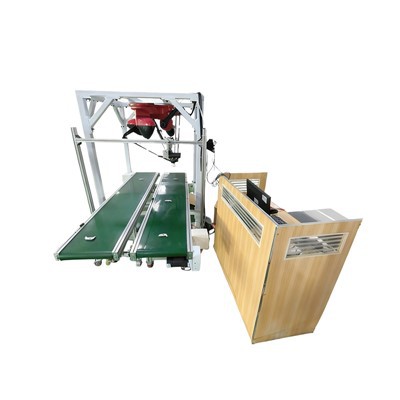
Nail Gun Robot As a spray painting robot supplier, we are committed to helping our customers achieve the best possible results. Our robots are designed to operate within a wide temperature range, and we offer a range of temperature control solutions to help you maintain optimal conditions. If you’re interested in learning more about our spray painting robots or our temperature control products, please don’t hesitate to contact us for a consultation. We look forward to working with you to meet your spray painting needs.
References
- Campbell, J. (2018). Industrial Painting Technology. Wiley.
- Pye, D. W. (1968). The Nature and Art of Workmanship. Cambridge University Press.
- Schoff, C. (2005). Handbook of Coating Process Engineering. CRC Press.
Dongguan Chuanglida Intelligent Equipments Co., Ltd.
As one of the most professional spray painting robot manufacturers and suppliers in China, we also support customized service. Please feel free to buy discount spray painting robot in stock here from our factory. For price consultation, contact us.
Address: Room 201, Building 2, No. 61, Shachang 1st Road, Dalang Town, Dongguan City, Guangdong Province
E-mail: haoguangli001@outlook.com
WebSite: https://www.boruntestech.com/
