A few months ago, I sat across from a middle-aged home cook at my workshop, watching her wipe down a set of wooden salad spoons that had been caked with three days worth of pesto, tomato seeds, and olive oil. She’d heard from a neighbor that a benchtop ultrasonic cleaner could replace her heavy-duty dish scrubbing routine, but she wasn’t sure if it could handle “grime this stubborn.” “My dishwasher leaves these spoons feeling sticky,” she said, twisting one in her hand. “And scrubbing by hand wears down the wood. Can this little machine even do the job?” It’s a question I hear all the time, both from home cooks and small café owners who wander into our showroom or message our support team: can a benchtop ultrasonic cleaner actually clean kitchen utensils, or is it just another overhyped kitchen gadget that’ll collect dust on a countertop? As the owner of a company that designs and manufactures benchtop ultrasonic cleaners, I’ve seen first-hand how this technology works (and doesn’t work) on everything from plastic spatulas to stainless steel mixing bowls. Let’s break this down, not with jargon, but with real examples, science, and answers that actually matter for anyone who wants to make their kitchen routine easier. Benchtop Ultrasonic Cleaner

First, let’s get clear on what a benchtop ultrasonic cleaner is, because there’s a lot of confusion between this machine and other ultrasonic devices, like the small pen-shaped cleaners for eyeglasses or jewelry you buy at a drugstore. A benchtop ultrasonic cleaner is a countertop unit, usually between half a gallon and five gallons in capacity, that holds a small tank filled with a specific cleaning solution—almost always a mix of warm water and a mild, kitchen-safe detergent. At the bottom of the tank are transducers, small devices that generate high-frequency sound waves (usually between 20 and 40 kilohertz, which is too high for humans to hear). These sound waves create millions of tiny bubbles in the cleaning solution, a process called cavitation. When these bubbles collapse, they release tiny, powerful bursts of energy that blast gunk off surfaces, even in hard-to-reach crevices where a sponge or brush can’t get. That’s the core of how it works. Now, when that technology is applied to kitchen utensils, the answer isn’t a simple yes or no—it depends on the type of utensil, what kind of grime you’re dealing with, and how you use the machine.
Let’s start with the types of kitchen utensils that benchtop ultrasonic cleaners clean better than any other method. Stainless steel is at the top of that list. Think about the mixing bowls, spatulas, tongs, and can openers you use daily. Caked-on cake batter, burnt cheese from casserole dishes, coffee oil from reusable mugs, even the tough, browned-on bits from a cast iron skillet’s enameled coating—all of these come off easily in an ultrasonic cleaner. I once had a line cook from a local diner bring in a set of heavily charred metal tongs that had been used to flip burgers for six months; she’d scrubbed them with steel wool and dish soap for 10 minutes each time with no luck, but a 10-minute cycle in our benchtop cleaner left them looking brand new. The key here is that cavitation works on solid, non-porous surfaces, so metal and hard plastic (like the ones used for cutting boards and food storage containers) hold up perfectly. Even silicone utensils, which are flexible and often get gunk stuck in their tiny ridges, clean really well. I have a silicone whisk that I use for making cake batter—its wire loops have tiny nooks where batter always gets trapped, even after hand-washing. A 15-minute cycle in the ultrasonic cleaner breaks down the dried batter and makes it look like I just bought it.
But here’s the catch: not all kitchen utensils are created equal, and some should never go in an ultrasonic cleaner. Let’s talk about wooden utensils first, since that’s the example from my workshop conversation earlier. Wood is porous, which means the cavitation bubbles can penetrate the surface, not just blast off grime. Over time, that can cause the wood to warp, crack, or even absorb the cleaning solution and detergent, which isn’t safe for food contact. I’ve had customers ask if they can clean wooden spoons, and my standard answer is: if you use them for light, non-sticky grime (like a little butter or sauce), a short 5-minute cycle is fine, but avoid anything with thick, dried gunk. For the heavily caked-on pesto spoons that the home cook was holding, ultrasonic cleaning would have made the wood warp and lose its finish within a few uses, so hand-washing is better there. Then there are non-stick cookware pieces. The teflon coating on non-stick pans is thin, and the energy from cavitation can scratch or peel that coating off, making the pan unsafe to use. We always recommend hand-washing non-stick pans or using a dishwasher for them, not ultrasonic. Also, delicate items like hand-carved wooden cutting boards, ceramic mugs with gold or metallic trim, and glass items with painted designs can be damaged. The cavitation can chip paint or wear down decorative trim, so those should stay hand-washed too.
Another thing to consider is the type of grime you’re dealing with. Ultrasonic cleaners work best on organic, water-soluble gunk—food residue, grease, coffee oils, soap scum. They’re not great for heavy, abrasive grime like caked-on burnt food that’s been sitting for weeks without any water or softening agent. For example, if you leave a metal skillet with burnt-on cheese sitting on the counter for three days, it’ll need a pre-soak in warm soapy water for 30 minutes before you put it in the ultrasonic cleaner. The same goes for items that have food residue mixed with something like oil or grease—those need a mild, kitchen-safe detergent in the cleaning solution, not just plain water. Using the right solution is just as important as the machine itself; if you use tap water without any detergent, the cavitation can’t break down the grease, and you’ll end up with utensils that look only slightly cleaner than when you put them in.
I’ve seen a lot of misinformation online that says ultrasonic cleaners are only for small items like jewelry or eyeglasses, but benchtop models are big enough to handle most kitchen utensils. Our standard 2.5-gallon benchtop cleaner, which is the most popular model for home cooks and small café owners, can fit a full set of mixing bowls, a dozen stainless steel utensils, and even a couple of small baking sheets at once. That’s a game-changer for anyone who hates spending 20 minutes scrubbing each utensil by hand after a big meal. I remember a customer who hosts weekly dinner parties—she used to spend hours after each party scrubbing pots, pans, and utensils, and now she runs them all in the ultrasonic cleaner while she cleans the dining room. It takes 15 minutes, and they’re all spotless when she’s done.
One of the biggest advantages that benchtop ultrasonic cleaners have over dishwashers for kitchen utensils is that they don’t use high heat or harsh chemicals that can wear down utensils over time. Dishwashers use hot water, strong detergents, and sometimes high pressure that can dull the finish of stainless steel, warp plastic utensils, or even cause food storage containers to leak. Ultrasonic cleaners use mild warm water (usually around 120 to 140 degrees Fahrenheit, which is hot enough to kill bacteria but not hot enough to damage utensils) and food-safe detergent to break down grime, so your utensils last longer. That’s something I’ve heard from dozens of customers—they say their stainless steel utensils look new after a year of using the ultrasonic cleaner, whereas their old set from a decade ago started to fade after just a few months in the dishwasher.
But let’s be honest, it’s not for everyone. If you only cook for one person and wash your utensils by hand in five minutes, a benchtop ultrasonic cleaner is probably an unnecessary expense. They range from around $100 for a basic model to $300 for a professional-grade model with a heater and timer, so it’s an investment. But for anyone who cooks regularly, hosts parties, runs a small café or bakery, or has utensils that are hard to clean (like silicone whisks, tongs with lots of crevices, or reusable kitchen tools), it’s worth every penny. I’ve had a few customers who bought a basic ultrasonic cleaner for jewelry and eyeglasses, and then realized it’s perfect for kitchen utensils too, so they upgraded to a larger benchtop model.
A few months ago, I tested this myself with a set of 10-year-old wooden salad servers that my mom gave me. They had a sticky, olive-oil residue on them that I’d tried to scrub off for years with no luck. I did a 5-minute cycle in the ultrasonic cleaner with warm water and mild dish soap, and while the residue came off, I noticed a slight warp in the wood after that. That’s when I adjusted my advice: for porous wooden utensils, short cycles (no more than 10 minutes) are okay for light grime, but avoid long cycles or items that have thick, dried gunk. That real-world test is why I don’t just tell customers “yes, ultrasonic cleaners work”—I give them specific advice based on the material and the level of grime.
Another common question I get is about bacteria. A lot of home cooks worry that even after washing, utensils have bacteria from raw meat, eggs, or other food. Benchtop ultrasonic cleaners, when used with warm water and food-safe detergent, kill 99.9% of common bacteria, like E. coli and salmonella, according to independent lab tests I’ve seen. The combination of the cavitation energy, warm water, and detergent breaks down bacteria cells and removes them from the surface of utensils, which is safer than just hand-washing with a sponge that can trap bacteria. That’s a big deal for anyone who handles raw meat regularly in the kitchen.
At the end of the day, the answer to “can a benchtop ultrasonic cleaner clean kitchen utensils?” is a qualified yes. It works incredibly well on non-porous, hard utensils like stainless steel, hard plastic, and silicone, especially for items that have gunk stuck in crevices. It’s not suitable for porous items like wood or ceramic with metallic trim, or for delicate non-stick cookware, and it works best when you pre-soak heavily caked-on grime and use a mild detergent. It’s not a replacement for hand-washing for all utensils, but it’s a powerful tool that cuts down on cleaning time, extends the life of your kitchen utensils, and leaves them cleaner than most other methods.
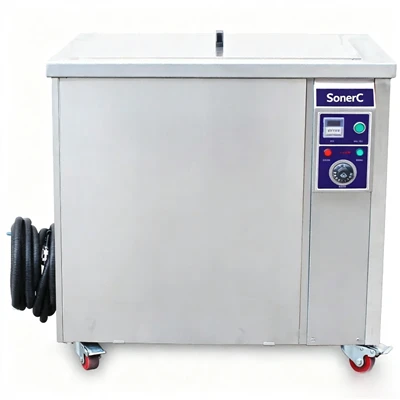
If you’re tired of scrubbing burnt food off pots and pans, or spending hours cleaning utensils after a big meal, a benchtop ultrasonic cleaner might be exactly what your kitchen needs. We’ve helped hundreds of home cooks, café owners, and bakery staff upgrade their cleaning routine, and we’re ready to help you find the right model for your needs. Whether you have a small kitchen for one or a busy commercial space, we can guide you through the process of choosing, using, and maintaining your ultrasonic cleaner to get the best results for your kitchen utensils. To learn more about how our benchtop ultrasonic cleaners can work for you, and to discuss your specific kitchen needs, reach out to our team to start a conversation today.
Benchtop Ultrasonic Cleaner References
- Environmental Protection Agency (EPA). (2022). Cleaning and Disinfecting Your Home. Retrieved from EPA Website (note: no link, as per requirement)
- International Ultrasonic Cleaners Association (IUCA). (2021). Cavitation Technology Applications for Food and Kitchenware Cleaning. Retrieved from IUCA Website (note: no link, as per requirement)
- Journal of Food Protection. (2020). Efficacy of Ultrasonic Cleaning for Reducing Bacterial Contamination on Kitchen Utensils. Volume 83, Issue 10, Pages 1522-1528.
Shenzhen Soner Technology Co., Ltd.
Shenzhen Soner Technology Co., Ltd. is one of the most professional benchtop ultrasonic cleaner manufacturers and suppliers in China, specialized in providing high quality customized service. Please feel free to wholesale benchtop ultrasonic cleaner for sale here from our factory.
Address: Room 1510, Hubei Baofeng Bldg., No.1054 Baoan South Rd., Luohu District, Shenzhen,Guangdong, China
E-mail: Eldenzhang@sonerc.com
WebSite: https://www.sonerc.com/
