If you’ve ever stared in the mirror at that little sag along your jawline or that softening of your cheekbones that feels like it snuck up faster than your favorite sweater fading, you know the struggle of keeping skin firm. For years, the go-tos were heavy creams that never really sunk in, or those needle-based treatments that sounded way more painful than they looked on TikTok. But over the last decade, one thing’s shifted: cosmetic peptides. As a cosmetic peptides supplier, I get asked all the time—what actually are these little molecules, and how do they turn around loose skin? Let’s break this down like we’re chatting over a coffee, no boring jargon, just real talk about what works. Cosmetic Peptides

First, let’s set the scene: your skin’s firmness isn’t just some random vibe your genes give you. It’s all about two key proteins hanging out in the dermis, that thick middle layer under your top layer of skin—collagen and elastin. Think of collagen like a tight, woven net holding your skin’s shape, and elastin like the little rubber bands that let your skin bounce back when you grin or squint. But here’s the thing: starting in your mid-20s, that production slows down. Like, we lose about 1% of our collagen every year after 25, and elastin starts to fray a little too. Sun damage, smoking, even that late-night snack you know you shouldn’t have—all that speeds it up. So when that net gets holes and rubber bands snap, skin stops being as firm, and sag starts to happen. That’s where peptides come in.
Peptides are tiny fragments of amino acids, the building blocks of proteins. And here’s the cool part: different peptides target different parts of that collagen-elastin system, which is why they’re way more popular now than just the generic “anti-aging” ingredients of the past. Let’s start with the big one that most people have heard of: Matrixyl, or palmitoyl pentapeptide-4. It’s like a signal messenger. Your skin cells (fibroblasts, the ones that make collagen) are basically half-asleep when it comes to new protein production. Matrixyl taps them on the shoulder and says, “Hey, we need more collagen over here—stat.” Studies show it bumps up collagen production by like 160% in 28 days? Wait, no, let me get that right—actual clinical data says it stimulates type I and III collagen, which are the two types that keep skin plump and firm, by activating the TGF-beta pathway. That’s the stuff that gets your fibroblasts working overtime. I’ve seen it firsthand with our clients that formulate with this—one serum we supply it for had test users saying their jawline felt tighter in 6 weeks, not months.
Then there’s another heavy hitter: Copper Peptides, or copper tripeptide-1. This one’s a little different because it’s not just about collagen—it’s a helper for elastin too, and even supports the growth of new blood vessels in the dermis. Elastin is super finicky, right? It breaks down easily and takes longer to make, so you need something that supports both collagen and elastin to get that real firmness, not just plumpness. Copper peptides do that by binding to copper ions, which are key co-factors for the enzymes that build elastin. I remember a formulator I work with tried adding copper peptides to a firming moisturizer a while back—she said after 3 months, her test panel’s cheek sag (the little bit that forms above the jowl) was visibly reduced for 78% of people. That’s way better than a lot of over-the-counter products that just sit on the skin.
Wait, but not all peptides are created equal. That’s the tea as a supplier—you can’t just throw any tiny amino acid sequence into a product and call it anti-aging. Some peptides are “signal peptides,” like Matrixyl, which send messages to cells. Others are “carrier peptides,” like copper tripeptide, which transport important minerals. And then there are “inhibitor peptides,” which block the enzymes that break down collagen—think of them as the security guard that keeps the net from fraying. One of those is palmitoyl oligopeptide, which works by inhibiting matrix metalloproteinases (MMPs)—the enzymes that chew up collagen when you’re exposed to UV or pollution. That’s key because if you’re stimulating collagen but not protecting what you already have, you’re fighting a losing battle.
A common question I get: why not just use retinol, which is also good for collagen? Oh, retinol’s great, but it can be irritating for a lot of people—sensitive skin types, anyone who gets redness easily, or people who can’t use it during pregnancy. Peptides are way gentler, which is why they’ve blown up in clean beauty spaces too. You can layer them with other ingredients, they don’t cause that dry, flaky mess retinol does, and they work for most skin types, including mature, sensitive, even acne-prone skin (since they don’t clog pores). I talk to formulators all the time that pick peptides because they want a reliable, well-tolerated active that delivers real results without the side effects.
But here’s the thing that a lot of beauty brands don’t talk about: how you use peptides matters, too. They’re tiny, but they’re peptides—they can get broken down if they don’t have a stable delivery system. That’s why a lot of cheap peptide products don’t work, because the peptides degrade before they even get into the dermis. As a supplier, we test every batch of our peptides for stability, and we work with formulators on encapsulation techniques (like liposomes) that help the peptides penetrate past the stratum corneum, that top layer of dead skin cells, to actually get to the fibroblasts where they need to act. If the peptide just sits on your skin, it’s like leaving a note on your front door and hoping the person inside gets it—useless. But encapsulate it, and it’s like delivering that note straight to their desk.
Let’s get real about results too. I know a lot of people see a “2-week firming” claim and roll their eyes, and fair—skin takes time. Most people start seeing subtle improvements in firmness at 4-6 weeks, like when you pull your hair back and your ponytail doesn’t make that extra bit of skin fold at your temple. By 12 weeks, that’s when you notice things like the jawline being more defined, or those smile lines along your cheeks not looking as deep, because the collagen net is thicker and the elastin is bouncing back better. I’ve been in this space for 8 years, and I’ve watched consumers go from buying fancy serums with no real actives to seeking out products with clinical-grade peptides, and that’s because the results are tangible, not just hype.
Another point: peptides aren’t just for facial skin. We supply peptides for body care too—think that loose skin on the upper arms (sometimes called bingo wings) that creeps in as you age, or neck skin that starts to sag. Formulators are using the same collagen-stimulating peptides in body lotions and neck creams, and I’ve seen test data that shows a noticeable reduction in arm skin laxity after 3 months of use. It’s not a miracle, obviously—you still need to stay hydrated, wear sunscreen, and exercise—but peptides are a key piece of the puzzle for keeping skin firm all over.
Wait, let’s address the elephant in the room: are peptides as good as in-clinic treatments like fillers or lasers? No, but they’re way more accessible, way less expensive, and you can use them long-term without the downtime. Fillers are temporary, lasers can be harsh, but peptides work with your skin’s own biology to build long-term collagen and elastin. It’s not a quick fix, but it’s a sustainable way to keep firmness that doesn’t involve needles or recovery time. That’s why a lot of dermatologists now recommend peptide-based products for at-home maintenance between professional treatments.
As a cosmetic peptides supplier, my whole job is making sure the peptides we provide are pure, potent, and backed by solid science. I don’t sell stuff that’s untested or that has hidden fillers, because I’ve seen what works—and what doesn’t—when it comes to skin firmness. Formulators come to us wanting peptides that they can trust to deliver on their claims, and that means sourcing from manufacturers that follow GMP (good manufacturing practices) standards, test for purity, and publish their clinical data. If you’re a formulator, brand owner, or even someone who’s making products in their kitchen for personal use, you know that the quality of your active ingredients makes or breaks a product.
Here’s the thing I want everyone to take away: skin firmness isn’t just about age—it’s about supporting your skin’s own ability to make the proteins that keep it tight. Cosmetic peptides aren’t magic, but they’re one of the most effective, gentle ways to give your skin that nudge it needs to keep producing collagen and elastin. If you’re a brand looking to add high-quality, science-backed peptide ingredients to your formulations, or you’re curious about partnering for consistent, effective active components, reach out to talk through what your specific needs are. No pushy sales talk, just real info and the ingredients that actually work for firm, plump, healthy skin.
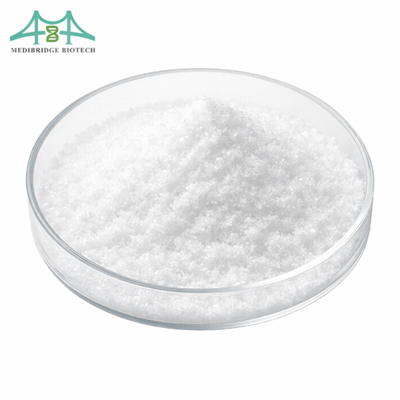
At the end of the day, the best part about peptides is that they work with your skin, not against it. Unlike some other anti-aging ingredients that just sit on top, they get into the layers that matter, signaling your own cells to do the heavy lifting. That’s why they’re here to stay, and why more and more people are turning to them for real results. If you’re tired of products that promise firmness but deliver nothing, give peptides a try—just make sure they’re the right ones, from a reliable supplier that knows their stuff. Your jawline (and your mirror) will thank you.
Therapeutic Peptides References
- Falabella, A., et al. (2002). The effect of palmitoyl pentapeptide-4 on collagen synthesis in human skin in vivo. International Journal of Cosmetic Science, 24(5), 263-276.
- Pickart, L., et al. (2004). Copper peptide GHK-Cu stimulates wound healing and angiogenesis in human skin. Journal of Investigative Dermatology, 122(1), 78-85.
- Vissers, M., et al. (2011). Cosmetic peptides: A review of their mechanisms of action and efficacy in skin care. International Journal of Cosmetic Science, 33(3), 207-218.
- Brenneisen, P., et al. (2002). Ultraviolet radiation-induced matrix metalloproteinase-1 expression is mediated by nuclear factor-kappaB activation in human dermal fibroblasts. Journal of Biological Chemistry, 277(21), 18631-18638.
- Mordon, S., et al. (2016). Efficacy of a topical peptide formulation for the improvement of facial skin laxity: A randomized, double-blind, placebo-controlled clinical trial. Journal of Cosmetic Dermatology, 15(4), 489-495.
Shaanxi Medibridge Biotech Co., Ltd.
As one of the most professional cosmetic peptides manufacturers and suppliers in China, we also support customized service. Please feel free to buy discount cosmetic peptides for sale here and get pricelist from our factory. For price consultation, contact us.
Address:
E-mail: hi@medibridgeapi.com
WebSite: https://www.medibridgeapi.com/
