As a supplier of gantry machining centers, I’ve witnessed the remarkable versatility of these machines in processing a wide range of materials. Gantry machining centers are known for their large work envelopes, high precision, and robust construction, making them suitable for various industries and applications. In this blog post, I’ll explore the different materials that a gantry machining center can handle, highlighting their unique properties and the challenges they present during machining. Gantry Machining Center

Metals
Metals are among the most commonly processed materials on gantry machining centers. They offer a wide range of mechanical properties, from high strength and hardness to excellent ductility and corrosion resistance. Here are some of the most popular metals used in machining:
Steel
Steel is one of the most widely used metals in manufacturing due to its high strength, durability, and affordability. Gantry machining centers can process various types of steel, including carbon steel, alloy steel, and stainless steel. Carbon steel is commonly used for structural components, while alloy steel offers enhanced strength and toughness for applications such as automotive parts and machinery. Stainless steel is known for its corrosion resistance and is often used in the food, beverage, and medical industries.
When machining steel, it’s important to consider the material’s hardness and toughness. Harder steels require higher cutting forces and may require the use of specialized cutting tools. Additionally, steel can generate a lot of heat during machining, which can lead to tool wear and workpiece distortion. To mitigate these issues, it’s important to use proper cutting parameters and lubrication.
Aluminum
Aluminum is a lightweight and corrosion-resistant metal that is widely used in the aerospace, automotive, and electronics industries. Gantry machining centers can easily process aluminum due to its low density and high machinability. Aluminum alloys are commonly used in machining, as they offer improved strength and hardness compared to pure aluminum.
One of the challenges of machining aluminum is its tendency to form built-up edge (BUE) on the cutting tool. BUE can cause poor surface finish and tool wear, so it’s important to use sharp cutting tools and proper cutting parameters. Additionally, aluminum chips can be difficult to evacuate from the cutting zone, which can lead to chip recutting and tool damage. To address these issues, it’s important to use high-pressure coolant and proper chip management techniques.
Titanium
Titanium is a strong and lightweight metal that is known for its excellent corrosion resistance and high strength-to-weight ratio. It is commonly used in the aerospace, medical, and automotive industries. However, titanium is also a difficult material to machine due to its high chemical reactivity, low thermal conductivity, and high strength.
When machining titanium, it’s important to use specialized cutting tools that are designed to withstand the high cutting forces and temperatures generated during machining. Additionally, titanium can be prone to work hardening, which can cause premature tool wear and poor surface finish. To mitigate these issues, it’s important to use proper cutting parameters and lubrication, and to avoid excessive cutting forces.
Copper and Its Alloys
Copper and its alloys, such as brass and bronze, are known for their excellent electrical and thermal conductivity, as well as their corrosion resistance. They are commonly used in the electrical, plumbing, and automotive industries. Gantry machining centers can easily process copper and its alloys due to their high machinability.
One of the challenges of machining copper and its alloys is their tendency to stick to the cutting tool, which can cause poor surface finish and tool wear. To address this issue, it’s important to use sharp cutting tools and proper cutting parameters, and to apply a lubricant to the cutting zone.
Plastics
Plastics are another popular material that can be processed on gantry machining centers. They offer a wide range of properties, including high strength, lightweight, and excellent chemical resistance. Here are some of the most common plastics used in machining:
Acrylic
Acrylic is a transparent thermoplastic that is known for its excellent optical properties and weather resistance. It is commonly used in the signage, display, and automotive industries. Gantry machining centers can easily process acrylic due to its low density and high machinability.
When machining acrylic, it’s important to use sharp cutting tools and proper cutting parameters to avoid chipping and melting. Additionally, acrylic can generate a lot of static electricity during machining, which can cause dust and debris to stick to the workpiece. To address this issue, it’s important to use a vacuum system to remove the chips and debris from the cutting zone.
Polycarbonate
Polycarbonate is a strong and lightweight thermoplastic that is known for its excellent impact resistance and optical clarity. It is commonly used in the automotive, electronics, and construction industries. Gantry machining centers can process polycarbonate using a variety of cutting tools and techniques.
One of the challenges of machining polycarbonate is its tendency to melt and burn during machining, especially at high cutting speeds. To avoid this issue, it’s important to use proper cutting parameters and lubrication, and to avoid excessive cutting forces. Additionally, polycarbonate can be prone to stress cracking, so it’s important to avoid applying excessive stress to the workpiece during machining.
Nylon
Nylon is a strong and durable thermoplastic that is known for its excellent abrasion resistance and chemical resistance. It is commonly used in the automotive, aerospace, and consumer goods industries. Gantry machining centers can process nylon using a variety of cutting tools and techniques.
When machining nylon, it’s important to use sharp cutting tools and proper cutting parameters to avoid melting and smearing. Additionally, nylon can absorb moisture from the environment, which can cause dimensional changes and affect the machining process. To address this issue, it’s important to store nylon in a dry environment and to preheat the workpiece before machining.
Composites
Composites are materials made up of two or more different materials with distinct properties. They offer a unique combination of strength, stiffness, and lightweight, making them ideal for a wide range of applications. Here are some of the most common composites used in machining:
Carbon Fiber Reinforced Polymer (CFRP)
CFRP is a composite material made up of carbon fibers embedded in a polymer matrix. It is known for its high strength, stiffness, and lightweight, making it ideal for aerospace, automotive, and sporting goods applications. Gantry machining centers can process CFRP using a variety of cutting tools and techniques.
One of the challenges of machining CFRP is its anisotropic nature, which means that its properties vary depending on the direction of the fibers. This can make it difficult to achieve a consistent surface finish and dimensional accuracy. Additionally, CFRP can generate a lot of dust and debris during machining, which can be hazardous to the operator’s health. To address these issues, it’s important to use proper cutting parameters, specialized cutting tools, and a dust collection system.
Glass Fiber Reinforced Polymer (GFRP)
GFRP is a composite material made up of glass fibers embedded in a polymer matrix. It is known for its high strength, stiffness, and corrosion resistance, making it ideal for marine, automotive, and construction applications. Gantry machining centers can process GFRP using a variety of cutting tools and techniques.
When machining GFRP, it’s important to use proper cutting parameters and lubrication to avoid fiber delamination and resin smearing. Additionally, GFRP can generate a lot of dust and debris during machining, which can be hazardous to the operator’s health. To address these issues, it’s important to use a dust collection system and to wear appropriate personal protective equipment.
Ceramics
Ceramics are a class of materials known for their high hardness, wear resistance, and chemical stability. They are commonly used in the aerospace, automotive, and electronics industries. Gantry machining centers can process ceramics using a variety of cutting tools and techniques, including diamond machining and electrical discharge machining (EDM).
One of the challenges of machining ceramics is their high hardness and brittleness, which can make them difficult to cut and prone to cracking. To address this issue, it’s important to use specialized cutting tools and proper cutting parameters, and to avoid excessive cutting forces. Additionally, ceramics can generate a lot of heat during machining, which can lead to thermal cracking and workpiece distortion. To mitigate these issues, it’s important to use proper cooling and lubrication.
Conclusion
In conclusion, gantry machining centers are incredibly versatile machines that can process a wide range of materials, including metals, plastics, composites, and ceramics. Each material presents its own unique challenges and requires the use of specialized cutting tools and techniques to achieve optimal results. As a supplier of gantry machining centers, I’m committed to providing our customers with the latest technology and expertise to help them meet their machining needs.
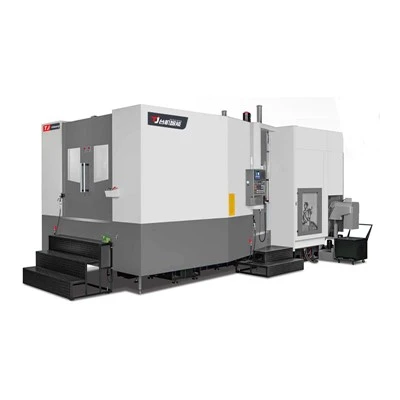
If you’re interested in learning more about our gantry machining centers or have any questions about machining specific materials, please don’t hesitate to contact us. We’d be happy to discuss your requirements and provide you with a customized solution that meets your needs.
Vertical Machining Center References
- Kalpakjian, S., & Schmid, S. R. (2013). Manufacturing Engineering and Technology. Pearson.
- DeGarmo, E. P., Black, J. T., & Kohser, R. A. (2012). Materials and Processes in Manufacturing. Wiley.
- Boothroyd, G., Dewhurst, P., & Knight, W. A. (2010). Product Design for Manufacture and Assembly. CRC Press.
Guangdong Taiji Intelligent Equipment Co., Ltd.
With abundant experience, we are one of the most professional gantry machining center manufacturers and suppliers in China. Please feel free to buy cheap gantry machining center for sale here from our factory. For price consultation, contact us.
Address: Room 107, Building 15, No. 911 Jian’an Road, Chang’an Town, Dongguan City, Guangdong Province
E-mail: sale@gdtaijicnc.com
WebSite: https://www.gdtaijicnc.com/
