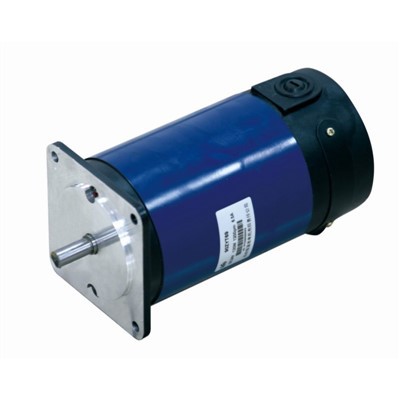
Hey there! As a supplier of DC gearmotors, I often get asked about the starting torque of these motors. It’s a crucial aspect that can significantly impact the performance and suitability of a DC gearmotor for various applications. So, let’s dive into what starting torque is and why it matters. DC Gearmotor
What Exactly is Starting Torque?
In simple terms, the starting torque of a DC gearmotor is the amount of torque the motor can generate at the moment it starts rotating. Torque, if you’re not familiar, is a measure of the rotational force that a motor can produce. When a DC gearmotor is switched on, it needs to overcome the inertia of the load it’s connected to and start moving it. That initial force required to get things going is the starting torque.
Think of it like trying to push a heavy cart that’s standing still. You need to apply a good amount of force just to get it rolling. Once it starts moving, you don’t need as much force to keep it going. Similarly, a DC gearmotor needs a certain amount of torque to start rotating the load, and that’s the starting torque.
Why is Starting Torque Important?
The starting torque is super important because it determines whether a DC gearmotor can actually start the load attached to it. If the starting torque is too low, the motor might not be able to overcome the inertia of the load, and it won’t start at all. This can be a huge problem in applications where the motor needs to start and stop frequently or where there’s a high initial load.
For example, in a conveyor belt system, the belt might be loaded with heavy items when it needs to start. The DC gearmotor used to drive the belt needs to have enough starting torque to get the belt and the load moving. If the starting torque is insufficient, the belt won’t start, and the whole operation comes to a halt.
In robotics, starting torque is also crucial. Robots often need to start and stop quickly, and they might have to lift or move heavy objects. A DC gearmotor with enough starting torque ensures that the robot can perform its tasks efficiently.
Factors Affecting Starting Torque
Now, let’s talk about what factors can affect the starting torque of a DC gearmotor. There are a few key things to consider:
1. Motor Design
The design of the DC motor itself plays a big role in determining the starting torque. Motors with more windings on the armature tend to have higher starting torque. This is because more windings mean more magnetic force is generated when the current flows through the motor, resulting in a greater rotational force.
2. Voltage
The voltage applied to the DC gearmotor also affects the starting torque. Generally, a higher voltage will result in a higher starting torque. When you increase the voltage, more current flows through the motor, which in turn increases the magnetic field and the torque produced. However, it’s important to note that you can’t just keep increasing the voltage indefinitely. There are limits to the voltage that a motor can handle, and exceeding these limits can damage the motor.
3. Load Inertia
The inertia of the load attached to the DC gearmotor is another important factor. Inertia is basically a measure of how difficult it is to change the state of motion of an object. A heavier load or a load with a large moment of inertia will require more starting torque to get it moving. So, when selecting a DC gearmotor for an application, you need to consider the size and weight of the load it will be driving.
4. Gear Ratio
The gear ratio of the gearbox in a DC gearmotor also affects the starting torque. A higher gear ratio means that the motor can produce more torque at the output shaft. This is because the gearbox reduces the speed of the motor while increasing the torque. So, if you have a load that requires a lot of starting torque, you might want to choose a DC gearmotor with a higher gear ratio.
How to Calculate Starting Torque
Calculating the starting torque of a DC gearmotor can be a bit complicated, but there are some basic formulas that you can use. The starting torque of a DC motor can be calculated using the following formula:
$T_{start} = K_t * I_{start}$
Where $T_{start}$ is the starting torque, $K_t$ is the torque constant of the motor, and $I_{start}$ is the starting current.
The torque constant $K_t$ is a characteristic of the motor and is usually provided by the manufacturer. The starting current $I_{start}$ is the current that flows through the motor when it starts. This can be measured using a current meter or estimated based on the motor’s specifications.
It’s important to note that this formula gives an approximation of the starting torque. In real-world applications, there are other factors that can affect the starting torque, such as friction and the mechanical losses in the gearbox.
Choosing the Right DC Gearmotor Based on Starting Torque
As a DC gearmotor supplier, one of the most common questions I get from customers is how to choose the right motor for their application based on starting torque. Here are some steps to help you make the right decision:
1. Determine the Load Requirements
The first step is to figure out the load requirements of your application. This includes the weight of the load, the speed at which it needs to move, and the frequency of starting and stopping. Once you have this information, you can calculate the required starting torque.
2. Consider the Operating Conditions
You also need to consider the operating conditions of your application. For example, if the motor will be operating in a high-temperature environment, it might have a lower starting torque due to the increased resistance in the windings. Similarly, if the motor will be exposed to dust or moisture, it needs to be properly protected to avoid damage.
3. Select the Appropriate Gear Ratio
Based on the required starting torque, you can select the appropriate gear ratio for the DC gearmotor. A higher gear ratio will increase the starting torque but will also reduce the speed of the motor. So, you need to find a balance between torque and speed that meets the requirements of your application.
4. Check the Motor’s Specifications
Finally, make sure to check the specifications of the DC gearmotor provided by the supplier. Look for the starting torque, rated torque, speed, and other important parameters. Make sure that the motor meets the requirements of your application and has a good reputation for reliability and performance.
Conclusion
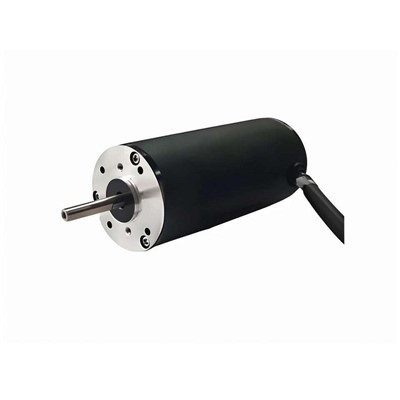
In conclusion, the starting torque of a DC gearmotor is a crucial factor that can determine the success of your application. It’s important to understand what starting torque is, why it matters, and how it’s affected by various factors. By choosing the right DC gearmotor with sufficient starting torque, you can ensure that your application runs smoothly and efficiently.
DC Motor If you’re in the market for a DC gearmotor and need help selecting the right one based on starting torque or other requirements, don’t hesitate to reach out. We’re here to assist you in finding the perfect motor for your needs. Contact us to start a conversation about your procurement requirements, and let’s work together to get the job done right!
References
- Electric Motor Handbook, Various Authors
- DC Motor Fundamentals, Industry Publications
- Application Guidelines for DC Gearmotors, Manufacturer Documents
Zibo Auric Mechanical and Electrical Technology Co., Ltd.
As one of the leading dc gearmotor manufacturers and suppliers in China, we warmly welcome you to buy advanced dc gearmotor for sale here from our factory. All customized motors are with high quality and competitive price.
Address: B419, High-tech Entrepreneurship Park, High-tech Zone, Zibo City
E-mail: cui@auricmotor.com
WebSite: https://www.auricmotor.com/
