In the industrial landscape, oil separators and screening machines play pivotal roles across various sectors, including manufacturing, food processing, and wastewater treatment. As a seasoned supplier of these essential pieces of equipment, I’ve witnessed firsthand the challenges that users often encounter. Understanding these common problems is crucial for both operators looking to optimize their processes and potential buyers seeking reliable solutions. In this blog, I’ll delve into the typical issues associated with oil separators and screening machines, offering insights into their causes and possible solutions. Oil Separator & Screening Machine
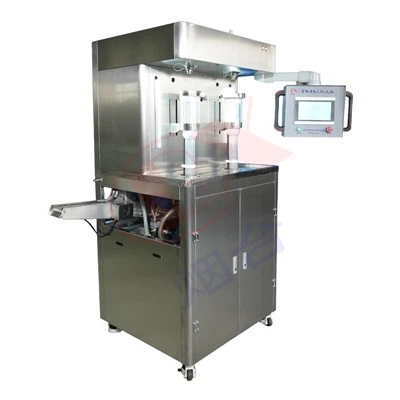
Common Problems with Oil Separators
1. Inefficient Separation
One of the most prevalent issues with oil separators is inefficient separation of oil from water or other fluids. This can lead to poor-quality output, with residual oil remaining in the separated water or vice versa. Several factors can contribute to this problem.
- Incorrect Design or Sizing: If the oil separator is not properly designed or sized for the specific application, it may not be able to handle the flow rate or the type of oil present. For example, an undersized separator may become overwhelmed, leading to incomplete separation.
- Clogging: Over time, debris, sludge, and solid particles can accumulate in the separator, clogging the internal components and reducing its efficiency. This is especially common in industrial environments where the input fluid may contain a high amount of contaminants.
- Emulsified Oil: Some types of oil form stable emulsions with water, making them difficult to separate. If the separator is not equipped to handle emulsified oil, it will struggle to achieve effective separation.
To address inefficient separation, regular maintenance is essential. This includes cleaning the separator, inspecting for clogs, and ensuring that it is properly sized for the application. In cases of emulsified oil, specialized treatment methods may be required, such as chemical demulsification or the use of advanced separation technologies.
2. Leakage
Another common problem is leakage from the oil separator. Leakage can occur at various points, such as seals, gaskets, or connections, and can lead to environmental contamination and loss of valuable oil.
- Worn Seals and Gaskets: Over time, seals and gaskets can deteriorate due to exposure to high temperatures, chemicals, or mechanical stress. This can cause them to lose their integrity and allow fluid to leak out.
- Loose Connections: Improperly tightened connections can also result in leakage. Vibration, thermal expansion, and contraction can cause connections to loosen over time, especially if they are not regularly inspected and tightened.
- Corrosion: Corrosion can weaken the structure of the separator, leading to cracks and holes through which fluid can leak. This is particularly common in environments where the separator is exposed to corrosive substances.
To prevent leakage, regular inspection and maintenance of seals, gaskets, and connections are necessary. Replacing worn or damaged components promptly and ensuring that all connections are properly tightened can help minimize the risk of leakage. Additionally, using corrosion-resistant materials and protecting the separator from corrosive environments can extend its lifespan and reduce the likelihood of leaks.
3. High Energy Consumption
Oil separators can consume a significant amount of energy, especially if they are not operating efficiently. High energy consumption not only increases operating costs but also has an environmental impact.
- Inefficient Pumping Systems: The pumping system is often the largest energy consumer in an oil separator. If the pumps are not properly sized or maintained, they can consume excessive energy. For example, a pump that is too large for the application will operate at a lower efficiency, wasting energy.
- Poor Insulation: In some cases, heat loss can occur from the separator, requiring additional energy to maintain the desired temperature. Poor insulation can exacerbate this problem, leading to increased energy consumption.
- Outdated Technology: Older oil separators may use less efficient technologies, resulting in higher energy consumption. Upgrading to newer, more energy-efficient models can significantly reduce energy usage.
To reduce energy consumption, it is important to optimize the pumping system by selecting pumps that are properly sized for the application and maintaining them regularly. Improving insulation can also help minimize heat loss and reduce the need for additional energy. Additionally, considering the use of energy-efficient technologies and upgrading to newer equipment can lead to long-term energy savings.
Common Problems with Screening Machines
1. Screen Blockage
Screen blockage is a frequent issue with screening machines, which can significantly reduce their productivity and efficiency. When the screen becomes blocked, the flow of material through the machine is restricted, leading to decreased throughput and potentially causing the machine to malfunction.
- Particle Size and Shape: If the material being screened contains particles that are too large or have irregular shapes, they can become lodged in the screen openings, causing blockage. This is particularly common when screening materials with a wide range of particle sizes.
- Moisture Content: High moisture content in the material can cause particles to stick together and adhere to the screen, leading to blockage. This is especially problematic in wet screening applications.
- Static Electricity: Static electricity can cause particles to cling to the screen, making it difficult for them to pass through. This is more likely to occur when screening dry, fine materials.
To prevent screen blockage, it is important to select the appropriate screen size and type for the material being screened. Regular cleaning of the screen can also help remove any lodged particles or debris. In cases where moisture is a problem, drying the material before screening or using a screen with anti – clogging features can be effective. Additionally, using anti – static agents can reduce the effects of static electricity.
2. Uneven Screening
Uneven screening occurs when the material is not evenly distributed across the screen, resulting in inconsistent particle separation. This can lead to poor product quality and reduced efficiency.
- Feed Distribution: If the material is not fed evenly onto the screen, it can cause uneven screening. This can be due to a faulty feed system or improper positioning of the feed chute.
- Screen Design: The design of the screen can also affect the distribution of material. For example, a screen with a non – uniform opening size or shape may cause the material to flow unevenly.
- Machine Vibration: Incorrect or uneven vibration of the screening machine can lead to uneven material distribution. If the machine is not properly balanced or the vibration frequency is not set correctly, the material may not move evenly across the screen.
To ensure even screening, it is important to optimize the feed system to ensure uniform material distribution. Selecting a screen with a consistent design and proper opening size can also help. Additionally, regularly checking and adjusting the machine’s vibration settings and ensuring proper balance can improve the overall screening performance.
3. Excessive Noise and Vibration
Excessive noise and vibration can be a nuisance in the workplace and may also indicate underlying problems with the screening machine.
- Mechanical Wear: Over time, the moving parts of the screening machine can wear out, leading to increased noise and vibration. This can include worn bearings, belts, or pulleys.
- Loose Components: Loose bolts, nuts, or other components can cause the machine to vibrate excessively and produce noise. Vibration can also cause these components to loosen further over time.
- Incorrect Installation: If the screening machine is not installed correctly, it may vibrate more than normal. This can include improper leveling or anchoring of the machine.
To reduce noise and vibration, regular maintenance is key. This includes inspecting and replacing worn components, tightening loose parts, and ensuring that the machine is properly installed and leveled. Using vibration – dampening materials and following proper maintenance procedures can help minimize these issues.
Solutions and Preventive Measures
As a supplier of oil separators and screening machines, I understand the importance of providing solutions to these common problems. Here are some general preventive measures and solutions that we recommend:
- Regular Maintenance: Establish a comprehensive maintenance schedule for both oil separators and screening machines. This includes cleaning, inspection, and replacement of worn components.
- Proper Selection and Sizing: Ensure that the equipment is properly selected and sized for the specific application. Working with a knowledgeable supplier can help in making the right choices.
- Operator Training: Provide adequate training to operators on the proper use and maintenance of the equipment. Well – trained operators are more likely to identify and address problems early.
- Advanced Technologies: Consider using advanced technologies and features that can improve the performance and reliability of the equipment. For example, some oil separators are equipped with automatic cleaning systems, and screening machines can have self – cleaning screens.
Contact for Purchase and Consultation

If you are facing any of these problems with your current oil separators or screening machines, or if you are in the market for new equipment, we are here to help. Our team of experts has extensive knowledge and experience in providing high – quality solutions tailored to your specific needs. We offer a wide range of oil separators and screening machines that are designed to be efficient, reliable, and easy to maintain.
Drying Roller for Seamless Softgel Don’t let these common problems hold back your operations. Contact us today to discuss your requirements, and let us work together to find the best solution for your business.
References
- Perry, R. H., & Green, D. W. (Eds.). (2008). Perry’s Chemical Engineers’ Handbook. McGraw – Hill.
- Svarovsky, L., & Thew, M. T. (2006). Solid – Liquid Separation. Butterworth – Heinemann.
Yantai Boxin Pharmaceutical Machinery Co., Ltd.
Yantai Boxin Pharmaceutical Machinery Co., Ltd. is one of the most professional oil separator & screening machine manufacturers and suppliers in China. With abundant experience, we warmly welcome you to buy discount oil separator & screening machine for sale here from our factory. For price consultation, contact us.
Address: 1st Floor, Main Building, No. 11 Huanghe Road, Yantai Economic and Technological Development Zone, Shandong Province
E-mail: sale@ytbxyj.com
WebSite: https://www.bx-mach.com/
